
The Ultimate Guide to Travelling Food: Essentials, Tips, and Healthy Snack Ideas for Every Journey
Traveling offers the joy of discovery, freedom, and adventure but one thing it often complicates is food. Whether you’re staying in a vacation rental with a sparsely stocked kitchen, heading out on a road trip, flying overseas, or boarding a long train ride, knowing how to plan and pack your travelling food is essential for a smoother, healthier, and more enjoyable trip.
This in-depth guide will help you prepare meals and snacks that travel well, introduce practical packing strategies, explore useful gear like travel food warmers, travel food containers, and travel food bags, and even recommend the best travel food shows for inspiration. Whether you’re traveling solo, with kids, or even with pets, this guide has something for everyone.
Why Plan Your Travel Food Ahead?
While it might be tempting to rely on convenience stores, airline meals, or fast food during your journey, the benefits of preparing your own travel food are many:
You can maintain a healthy diet.
You save money on overpriced airport or rest-stop meals.
You avoid foods that may trigger allergies or intolerances.
You eliminate food waste by bringing what you already have.
You ensure your child or pet has the right nutrition while on the go.
Moreover, many travel food ideas are easy, delicious, and require minimal effort or equipment. With a little preparation, you can eat well wherever your journey takes you.
Part 1: Essentials to Pack for Vacation Kitchen Cooking
When renting a vacation home or cottage, it’s common to find understocked kitchens. Packing a few essential pantry items and tools can turn your experience from frustrating to enjoyable. Here are must-have staples to bring with you:
Pantry Staples
Powdered sugar: Comes in handy for pancakes, waffles, or morning coffee.
Salt (both coarse and fine) and pepper: Basic seasoning for cooking.
Essential spices: Paprika, chili powder, five-spice powder.
Aromatic herbs: Oregano, thyme, dried basil, and bay leaf.
Condiments: Pesto, tapenade, mustard, and garlic cloves.
Oils: Pack two types—
Olive or sunflower oil for salad dressings.
Neutral vegetable oil for sautéing or frying.
These ingredients don’t take up much space but can transform simple meals into something flavorful and satisfying.
Dry Foods
Flour and yeast: Great for baking bread or pancakes.
Instant rice or short pasta: Takes little time to cook and is versatile.
Legumes: Lentils, chickpeas, or beans, either canned or dried.
Breakfast foods: Cereal, porridge mix, instant oats, powdered milk.
Canned goods:
Tomatoes: Base for pasta sauces.
Tuna: Excellent in sandwiches or salads.
Coconut milk: Adds richness to curries or stews.
Vegetables: Corn, olives, or artichokes for salads or sides.
Bringing these items in travel food containers leak-proof can prevent any mess and maintain freshness.
Part 2: Travel Snacks for the Road, Plane, or Train
Healthy Travel Snacks for Air Travel
Flying often comes with long wait times, bland meals, and dietary uncertainty. Packing your own food is a game-changer. Here are airline-friendly Best travel food ideas that are portable, nourishing, and TSA-compliant:
Homemade sandwiches: Use sturdy fillings like hard cheese, salami, or peanut butter that don’t spoil easily.
Cereal bars or granola bars: Perfect for early flights.
Rice cakes with nut butter or hummus (individual packs are usually under 100ml).
Dried fruits: High in fiber and compact.
Popcorn: A crunchy, low-calorie snack.
Bananas: Easy to carry and naturally packaged.
Avoid liquids like yogurt or soup, which may be flagged at security and are impractical to consume in turbulence.
Healthy Snacks for Buses and Trains
You’re not limited by airport restrictions, so you can enjoy a wider variety of best travel food while still staying healthy.
Smoothies: Make one fresh and freeze it to defrost during the trip.
Overnight oats or porridge pots: Just add hot water.
Beef jerky: High in protein and shelf-stable.
Pretzels and tortilla chips: Choose baked or gluten-free versions.
Dairy-free milk in cartons: Great for adding to tea, coffee, or cereal.
Rehydration sachets: Especially useful in hot climates.
Bring these in the best travel food containers, which keep items fresh and avoid leaks.
Part 3: Food Storage Tips for Travel
Eating on the go doesn’t have to be messy or complicated. Having the right gear makes a big difference.
Must-Have Travel Food Accessories
Shop lunch boxes & travel food containers: Choose ones that are BPA-free, microwave-safe, and divided into sections.
Travel food containers leak-proof: Prevent soggy messes in your bag.
Travel food warmer for car: Heat up leftovers or meals while on the move.
Insulated water bottles: Keep drinks cold for 24 hours and hot for 12.
Napkins and trash bags: Always handy, especially for long drives.
If you’re traveling with children, invest in a baby travel food container system with stackable compartments.
For dog owners, a dog travel food bag can keep kibble fresh and secure during the trip.
Part 4: Foods to Avoid While Traveling
No matter how good something tastes at home, some foods just don’t travel well. Here’s what to skip:
Hard-boiled eggs: Great… until they’re forgotten in your backpack for a few days.
Soft cheeses: Spoil quickly and smell unpleasant.
Seafood: High risk of spoilage; save it for when you reach your destination.
Soup: Difficult to reheat and prone to spilling.
Even some of the best travel food options at home may not be suited for long trips, especially in warmer climates.
Part 5: Traveling With Children or Babies
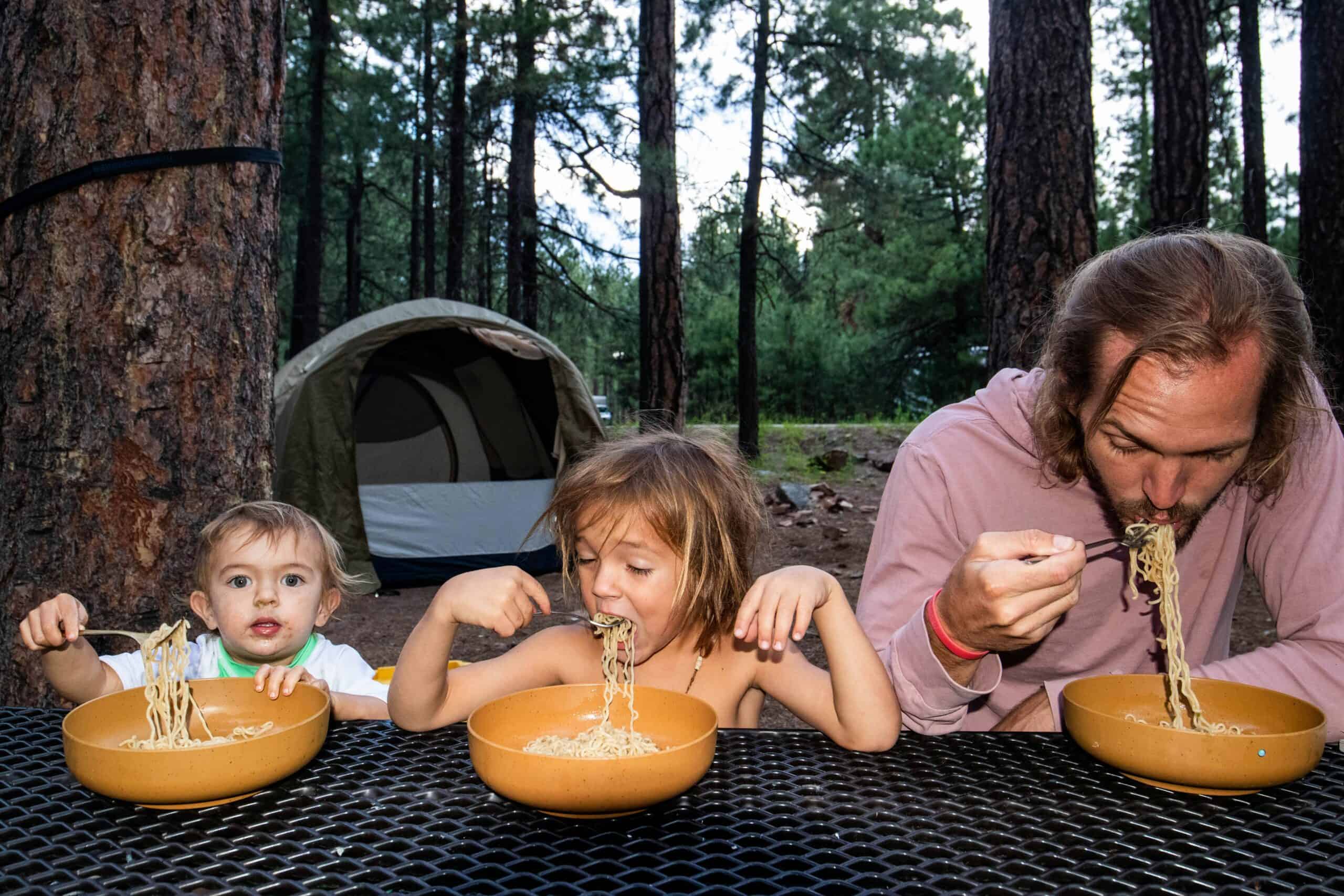
Feeding little ones on the go requires a bit more thought but is entirely manageable with the right tools.
Baby Travel Food Tips
Bring baby travel food in sealed jars or pouches.
Use insulated lunch boxes to maintain temperature.
Include baby spoons, bibs, and wipes for easy cleanup.
Stick to familiar snacks to avoid upset stomachs.
Hydrate often with water or diluted fruit juice.
Don’t forget that formula or breast milk has specific rules for air travel, so check TSA or your airline’s guidelines beforehand.
Part 6: Top Travel Food Shows for Inspiration
Sometimes the best way to learn about travelling food is by watching others explore it.
Here are some of the best travel food shows you should watch before your next adventure:
“Street Food” (Netflix) – Explores regional street foods around the world.
“Somebody Feed Phil” – A humorous and heartwarming journey through global flavors.
“Chef’s Table: BBQ” – Highlights top pitmasters and their mouthwatering creations.
“Parts Unknown” with Anthony Bourdain – A cultural deep-dive into cuisine and society.
“The Mind of a Chef” – Combines travel, history, and technique.
These shows will fuel your curiosity and help you explore the best travel food options globally.
Part 7: Smart Packing Tips for Travel Food
When packing for a trip, consider the following checklist to stay organized and efficient:
Travel Food Packing Checklist
✔️ Dry pantry goods in labeled bags
✔️ Leak-proof bottles for oils and condiments
✔️ Best travel food containers (microwave-safe)
✔️ Portable travel food warmer for car
✔️ Reusable utensils, cups, and plates
✔️ Eco-friendly trash bags and napkins
✔️ Ice packs and insulated coolers
✔️ Travel food scale for portion control
- ✔️ Pack some ready to eat food such as canned meals, granola bars, or vacuum-sealed cooked grains for emergencies or quick hunger fixes.
Bringing a travel food scale helps if you’re calorie-conscious or cooking for dietary needs while away.
Part 8: When and Where to Eat While Traveling
On the road: Stop at scenic viewpoints and enjoy a pre-packed picnic.
At the airport: Head to a quiet gate with outlets and enjoy your own food.
At your rental: Cook in bulk on Day 1 to enjoy leftovers later.
On excursions: Pack a travel food bag with finger foods, fruit, and water.
You’ll save time and money, and you won’t be at the mercy of low-quality tourist food.
Final Thoughts: Elevate Every Journey With Thoughtful Travel Food Planning
Whether you’re taking a road trip across the country, flying overseas, heading to a mountain retreat, or even camping off the grid, being prepared with the right travel food containers, snacks, and staples can make your journey not only healthier and more affordable but also more enjoyable.
By planning ahead, using smart tools like a travel food warmer for car, and taking inspiration from the best travel food shows, you’ll never have to settle for a disappointing meal again.
So before your next adventure, pack smart, eat well, and explore the world with flavor and fun!


